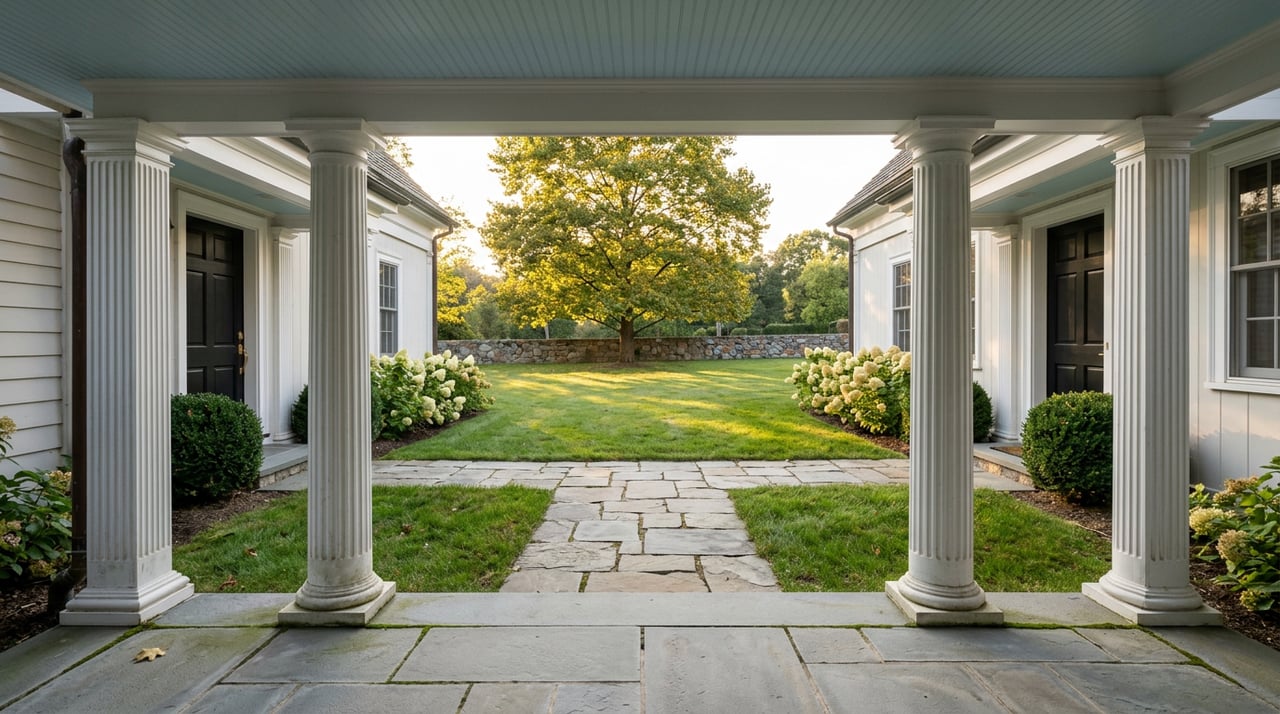
The $10 Parking Pass That Explains Salisbury's Real Estate Market
September 17, 2026
September 17, 2026
Stand at the ticket booth for the James Hunt Memorial Lot on Beach Road in Salisbury Beach some June morning and you'll watch the same conversation happen a dozen times before nine a.m. A car pulls up. The attendant asks for proof of residency. If the name on your tax bill matches the name on your registration, a season pass costs ten dollars. If it doesn't, it costs fifty. Same lot, same 672 spaces, same view of the Merrimack River meeting the Atlantic. Five times the price, based entirely on whether the town considers you a resident or a guest.
That five-to-one spread isn't a quirk of municipal accounting. It's the clearest, most literal proof of something that gets lost every time someone quotes a single median home price for Salisbury, Massachusetts. The town runs on two parallel systems, one built for people who live here year-round and one built for people who show up seasonally, and its own parking clerk prices the difference before a single real estate agent ever does.
Salisbury looks like one municipality on a map. It behaves like at least two markets stitched together at the town line.
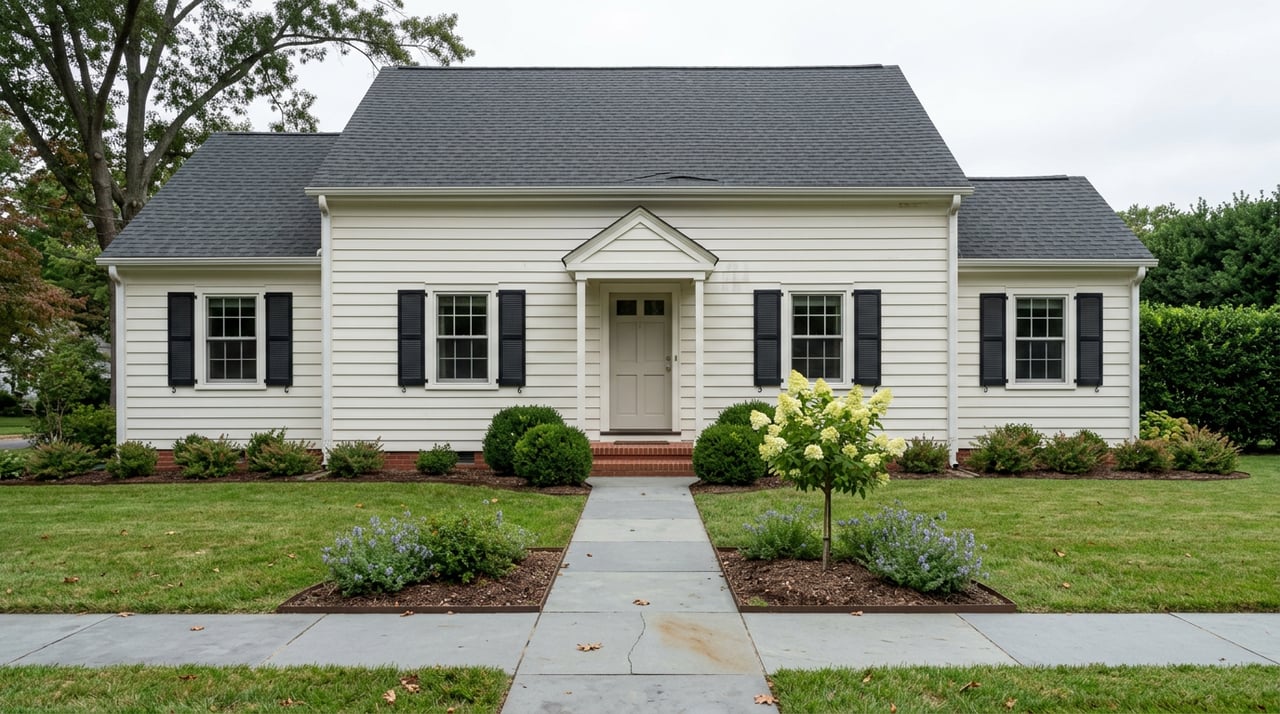
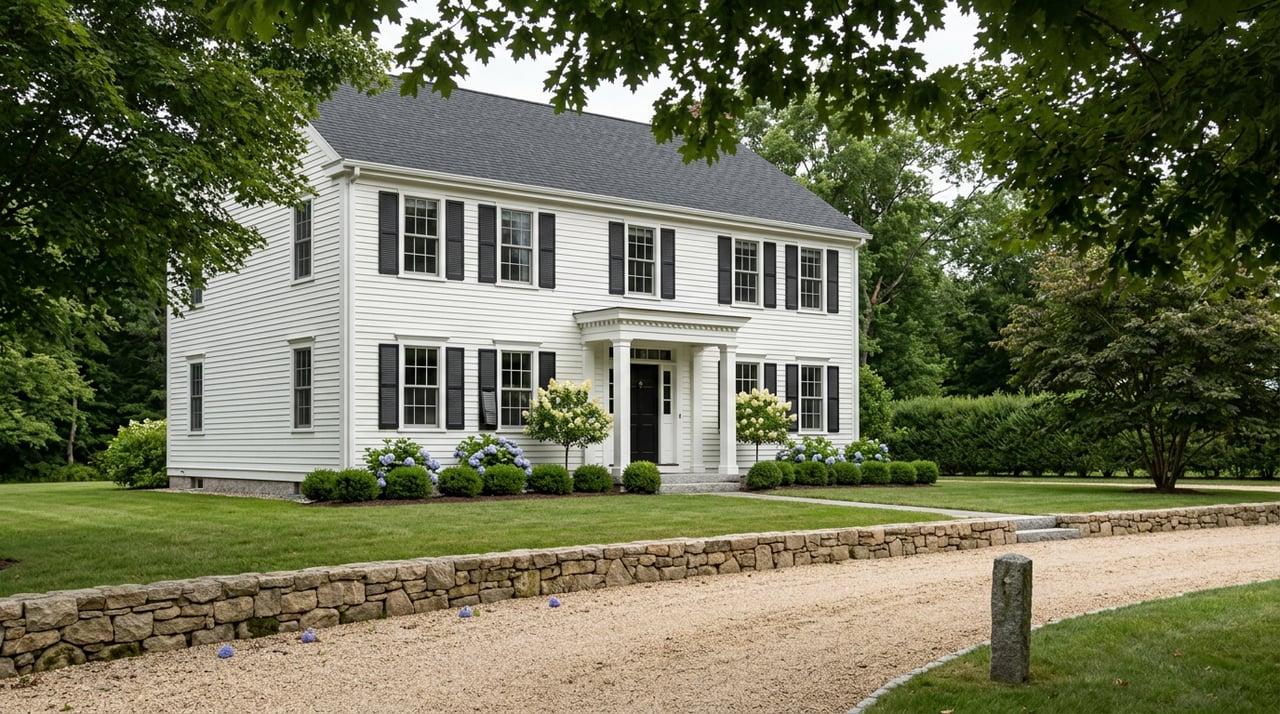
On one side sits Ring's Island, a peninsula settled back in the 1600s and connected to the rest of Salisbury and to downtown Newburyport by a causeway and the Gillis Bridge. The housing stock here runs to colonial-era saltboxes, Federal and Greek Revival homes, and newer construction that took cues from the older architecture around it. Owners here look out over the Great Salt Marsh and Joppa Flats, and a short walk or bike ride puts them on Newburyport's downtown streets, close to the same restaurants and shops that draw buyers to that side of the river. This is a year-round neighborhood in every practical sense. People who buy here tend to stay.
A few minutes east, past Route 1, sits the Salisbury Beach corridor: North End Boulevard, the boardwalk, arcades, and a dense run of condo buildings and cottages built to service a summer population that arrives every Memorial Day and thins out after Labor Day. Buildings like Ocean Mist Condominiums sit blocks from the Salisbury Beach State Reservation, where the state charges its own separate parking fee from late May through mid-October. This stretch of town was built around turnover, not tenure. A meaningful share of the housing stock here functions as rental income or seasonal use rather than a primary address.
And then there's the rest of Salisbury: neighborhoods like Salisbury Point and the streets around High Street, set back from the coast, that look and function like ordinary Merrimack Valley suburbs. Families buy here for schools and commute distance, not surf access.
Three different products. One town name on the listing sheet.
A snapshot of neighborhood-level listing data from late August 2026 makes the split concrete rather than theoretical.
| Pocket of town | Character | Typical buyer | Recent price point |
|---|---|---|---|
| Ring's Island | Colonial saltboxes, Federal and Greek Revival homes, marsh and river views, causeway access to Newburyport | Year-round owners | Trades closer to Newburyport's price band than to the rest of Salisbury |
| Salisbury Point / High Street | Inland, set back from the coast, ordinary single-family stock | Year-round families | Salisbury Point listed around $985,000; High Street area around $1,000,000 |
| Salisbury Beach corridor (North End Blvd, Old Ferry Road) | Oceanfront condos, cottages, seasonal and investor-owned stock | Renters, investors, seasonal owners | Old Ferry Road listed near $1,325,000, with the wider beach condo stock spanning a much broader range below that |
A buyer who searches "Salisbury MA median home price" and treats the number they find as a single answer is averaging together a colonial on a quiet causeway street with a rental-ready beach condo two blocks from the boardwalk. Those aren't comparable properties. They aren't even comparable use cases. One is a house someone lives in every day of the year. The other is frequently a financial asset that happens to have a bedroom in it.
This isn't just a pattern an agent has noticed from selling in town. Salisbury's own zoning bylaw makes the distinction official. Chapter 300 of the town code carves out a specific Salisbury Beach Overlay District, distinct from the standard zoning that governs the rest of town, along with a separate Motel Reuse Overlay covering the corridor's older motor court and motel parcels. The town treats that stretch of coastline as its own regulatory category because it functions differently from the neighborhoods around Ring's Island or High Street. You can read the district boundaries yourself in the town's zoning bylaw.
The parking system layers on top of that same logic. Paid parking at Salisbury Beach runs from May 1 through October 15, enforced daily from 8 a.m. to midnight, using a pay-by-plate kiosk system rather than meters. Residents can buy that ten-dollar season pass at the ticket booth with proof that their name is on the property tax bill. Everyone else pays the non-resident rate, or pays by the hour at the kiosk. The town's overnight parking program spells out exactly who qualifies and what documentation the parking clerk requires. It's a system built to distinguish between people who live somewhere and people who are visiting, applied to the exact geography where that distinction matters most.
The mistake happens in both directions.
A buyer moving to the area for a year-round home who falls for a beach cottage in July is seeing the neighborhood at its absolute peak. Full boardwalk, packed lot at the state reservation, every restaurant open. Visit that same block in February and the picture is close to empty streets and shuttered storefronts. Neither version is false. Both are the same place at different points in an occupancy cycle that swings harder here than it does a few minutes inland.
Going the other way, a buyer eyeing Salisbury purely as an income property sometimes gets steered toward comps pulled from Ring's Island or High Street, where prices reflect stable, owner-occupied demand rather than the rental economics that actually drive value on the beach side.
The fix isn't complicated, but it does require asking a more specific question than most portal searches prompt:
None of this requires a lawyer or an appraiser to figure out. It requires knowing that "Salisbury" is really shorthand for three different housing markets, and asking which one a specific listing belongs to before comparing it to anything else.
The same caution applies to anyone cross-shopping Salisbury against Newburyport, Amesbury, or the New Hampshire side of the Seacoast. A single town-wide median price for Salisbury will always sit somewhere between its seasonal beach stock and its year-round inland stock, which means it describes neither one particularly well. A buyer who wants Ring's Island's walkability and river views should expect pricing closer to Newburyport's downtown than to a beach condo two miles away. A buyer looking at Salisbury Beach purely as a summer property or rental should expect a market that moves on rental season, weather, and boardwalk foot traffic more than on the school-year calendar that drives the inland neighborhoods.
Does living on Ring's Island mean the same commute and lifestyle as downtown Newburyport? Ring's Island sits in Salisbury but connects to Newburyport's downtown by causeway and the Gillis Bridge, close enough that many owners treat it as an extension of Newburyport's walkable core rather than a separate commute.
Is a Salisbury Beach condo a good primary residence? Some owners do live there year-round, but the surrounding infrastructure, including the seasonal parking system and the concentration of short-term rental stock, is built primarily around the summer season. That's worth weighing against year-round lifestyle needs.
Why does the non-resident parking rate matter to a buyer? It's a fast, official signal of how the town itself categorizes a property's neighborhood, useful shorthand when you're trying to figure out whether you're looking at a year-round home or a seasonal one.
If you're weighing a move to Salisbury or trying to make sense of why two listings a few blocks apart carry wildly different price tags, that context matters more than any single median. Cheryl Grant has spent years working both sides of this town, from Ring's Island's colonials to the beach corridor's condo stock, and can walk you through which submarket actually fits what you're looking for. Reach out for a conversation before you compare a single number across neighborhoods that were never built to be compared that way.
Stay up to date on the latest real estate trends.



Real estate is more than a transaction—it’s an experience. Whether you’re buying a luxury waterfront home or selling a historic property in Newburyport, I provide high-touch service tailored to your unique needs. Every detail is handled with precision and care, so you can focus on what matters most.