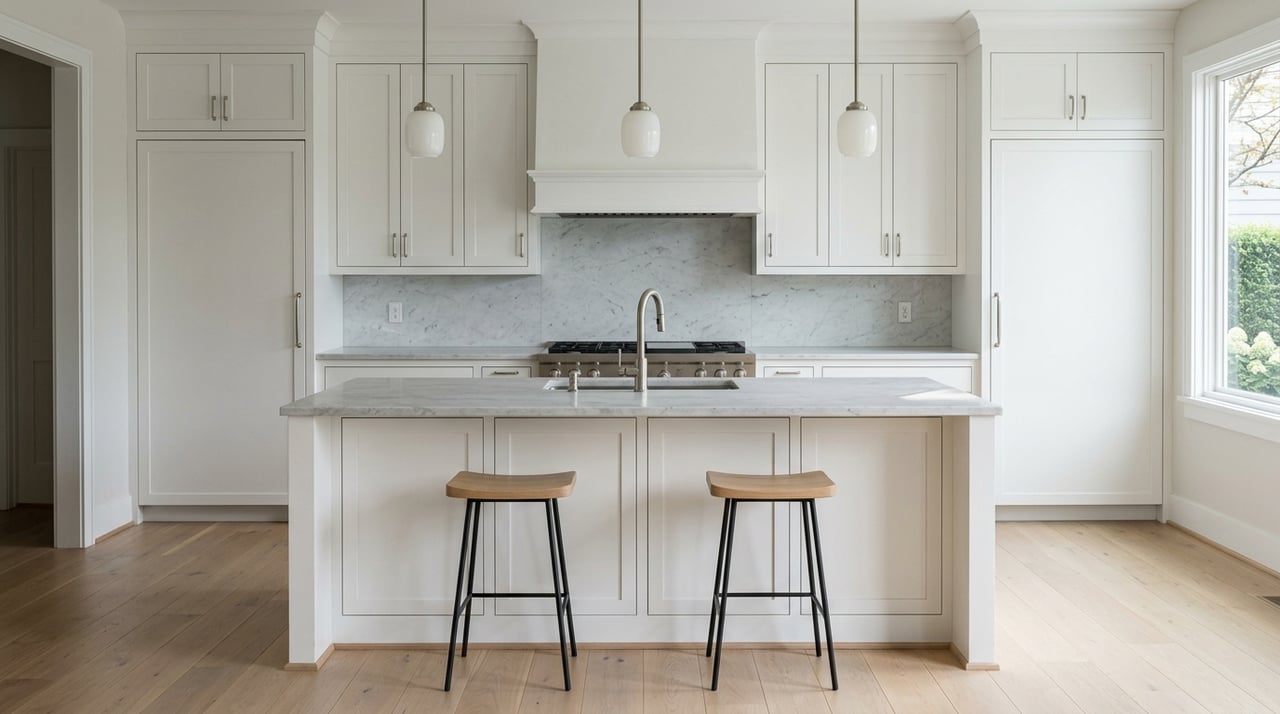
Smart Amesbury Multiple Offer Strategies for Buyers
May 21, 2026
May 21, 2026
If you are house hunting in Amesbury right now, it can feel like you have to make big decisions fast. That pressure is real, especially when well-priced homes can attract multiple offers and go pending quickly. The good news is that you do not need to guess your way through it. With the right plan, you can compete confidently, protect your finances, and understand which terms matter most. Let’s dive in.
Amesbury remains a competitive market, even though the data shows a more mixed picture than a full-blown frenzy. Recent local figures show very low inventory, with the Massachusetts Association of Realtors reporting 0.9 months of single-family inventory in March 2026. In plain English, that means there are still not many homes available relative to buyer demand.
Other local stats point to the same pattern. Redfin describes Amesbury as very competitive and reports that many homes receive multiple offers, with the average home selling about 1% above list price and going pending in around 21 days. Realtor.com also reported a median 19 days on market in April 2026 and a 100% sale-to-list ratio.
That said, price data is not perfectly uniform. Depending on the source and time period, recent median price figures range from about $509,000 to $602,500. The key takeaway is not that every home will spark a bidding war, but that well-priced Amesbury homes can move fast, so preparation matters more than panic.
In Massachusetts, when a broker or salesperson receives a buyer's offer, that offer must be conveyed to the property owner promptly. That matters because buyers sometimes assume the process is casual at first, when in reality the written offer is the center of the negotiation.
Massachusetts also treats an offer to purchase as a legal document with binding consequences once accepted. So if you are competing for a home in Amesbury, your offer is not just a signal of interest. It is a serious contract proposal that should reflect your actual comfort level on price, timing, and contingencies.
Sellers have several options in a multiple-offer situation. They may accept the strongest offer, counter one buyer, ask everyone for best and final terms, or keep a backup offer in place. Timing matters here, because Massachusetts regulators note that once a seller has accepted an offer, there is no licensing-law obligation to present later offers unless the seller has directed otherwise.
You usually will not know with certainty that a home will get multiple offers, but there are some practical clues. In Amesbury, the biggest one is speed. If a listing is new, well-presented, and priced in line with the current market, you should be ready for competition.
The local days-on-market numbers support that mindset. Recent figures show homes moving in around 19 to 21 days, and some desirable listings can move even faster. If a property checks a lot of boxes and is early in its marketing cycle, it is smart to assume other buyers may be circling too.
On the other hand, not every home follows the median. If a property has been sitting well beyond the recent local benchmark, such as past 19 days or even closer to the 43 cumulative days-on-market figure reported year to date for single-family homes, you may have more room to negotiate. That does not guarantee less competition, but it can change your strategy.
The best way to handle multiple offers is to decide your limits before you are emotionally attached. That means knowing your budget ceiling, your financing comfort level, and which contingencies you are or are not willing to use.
Try to answer these questions in advance:
This kind of prep can help you move quickly without feeling reckless. In a market like Amesbury, where inventory is tight, speed helps most when it is backed by clarity.
When buyers hear "multiple offers," they often focus only on price. But sellers may also care about a clean timeline, fewer concessions, or a closing date that fits their next move. That means your strongest offer is not always just the highest number.
A more competitive offer often balances price with practical terms. For example, if your budget is firm, a flexible closing date may help you stand out without stretching beyond your comfort zone. If your budget can go higher, you still need to think carefully about the risks that come with that move.
An escalation clause is language in your offer that says you will outbid a competing offer by a set amount, up to a maximum cap. These clauses usually require proof of a bona fide competing offer and spell out exactly how high your offer can go.
In the right situation, an escalation clause can help you stay competitive without automatically starting at your top number. But it is not a perfect tool. Some sellers do not accept escalation clauses, and even if they do, the highest price still may not win if another buyer offers stronger overall terms.
The most important rule is simple: never set a cap you would regret. If the clause triggers, that number becomes real very quickly.
In many multiple-offer situations, the real stress starts after your offer is accepted. If you agree to pay more than the home appraises for, your lender may not finance the full contract price. That shortfall is often called an appraisal gap.
This is one of the most important risks to understand in Amesbury's competitive market. You can win the home and still face a financing problem if the appraisal comes in lower than your offer price. If that happens, common options may include asking the seller to reduce the price, reviewing the appraisal, or canceling the deal depending on your contract terms.
Before you submit an aggressive offer, decide how much appraisal-gap exposure you can truly absorb. If the answer is little or none, that is okay. It simply means your strategy should reflect your real financial guardrails.
For many Massachusetts residential sales, including one-to-four unit properties and condominiums, current state regulation prohibits sellers and their agents from conditioning acceptance on a buyer waiving the home inspection. That rule took effect on October 15, 2025.
This is an important shift for buyers in Amesbury. In a competitive market, you should not assume that waiving an inspection is the standard path to winning. Buyers may still choose not to inspect after contract, but the seller cannot make waiver of the inspection the condition for accepting the offer in many covered transactions.
That means you can think about competitiveness in a more balanced way. Instead of treating inspection rights as the first thing to give up, focus on a smart mix of price, timing, and contract terms that fit your goals.
There is no single "right" offer strategy for Amesbury. The best approach depends on your finances, your risk tolerance, and how badly you want a specific home. A calm, tailored strategy usually works better than reacting emotionally.
If you are targeting a home you truly do not want to lose, you may choose to lead with your strongest price right away. You might also consider an escalation clause with a firm cap and prepare for the possibility of a low appraisal.
This approach can be effective, but it carries more risk. It works best when you have already set a hard ceiling and understand exactly how much additional cash exposure you could handle.
A moderate strategy aims to stay competitive without overextending. You might offer a strong but controlled price, keep the contract clean, and compete with seller-friendly terms such as a flexible closing date or fewer requests.
For many buyers, this is the sweet spot. It keeps you in the game while helping you avoid the emotional and financial strain of chasing every bidding war past your comfort zone.
A conservative strategy puts protection first. You may keep inspection and financing contingencies in place, avoid large appraisal-gap commitments, and focus on properties that have been on the market longer than recent Amesbury medians.
This does not mean you cannot win. It means you are choosing opportunities where the pace may allow for a more measured decision and a lower-risk offer structure.
The safest way to compete is to prepare thoroughly and stay disciplined. In Amesbury, the data supports a message of readiness, not panic. Tight inventory creates pressure, but you still need a plan that works for your life after closing day.
Here are a few practical ways to stay competitive:
The goal is not to "win" at any cost. The goal is to buy the right Amesbury home on terms you can live with comfortably.
If you are weighing multiple-offer decisions in Amesbury, an experienced local guide can help you read the market, compare risks, and structure an offer that is competitive without losing sight of the bigger picture. For personalized guidance with a thoughtful, high-touch approach, connect with Cheryl Grant, ABR®, CRS.
Stay up to date on the latest real estate trends.
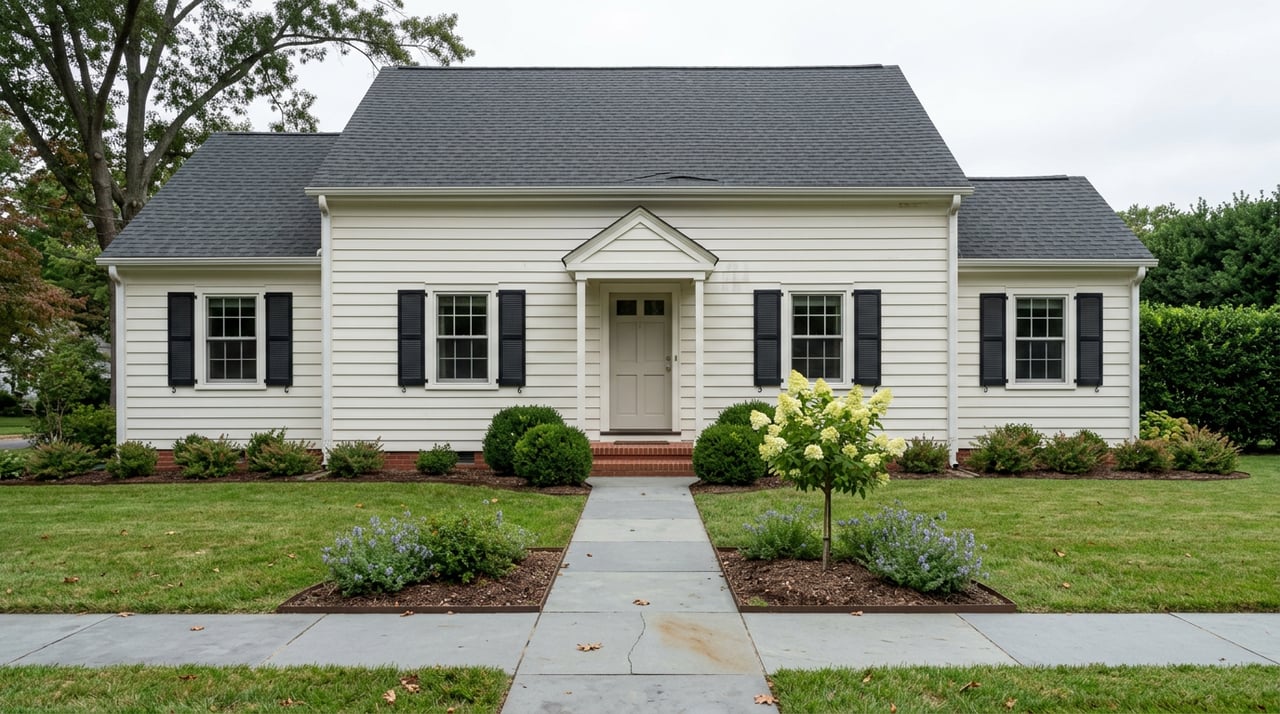


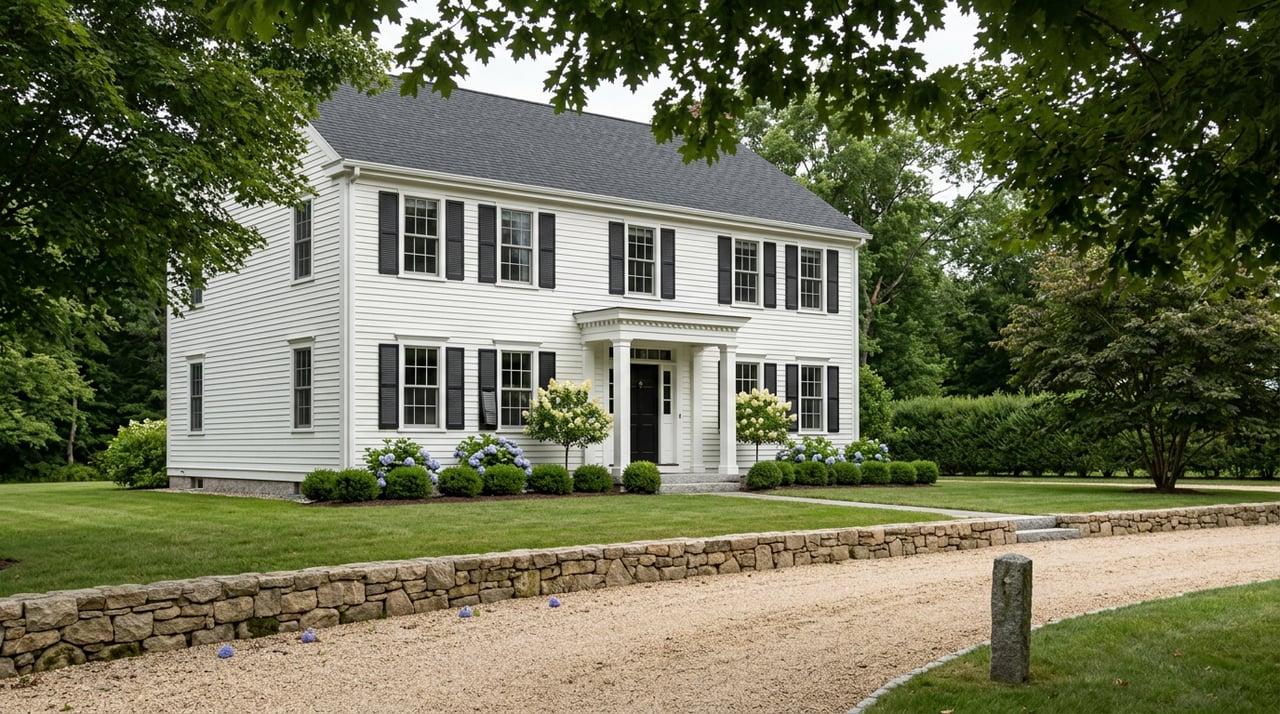
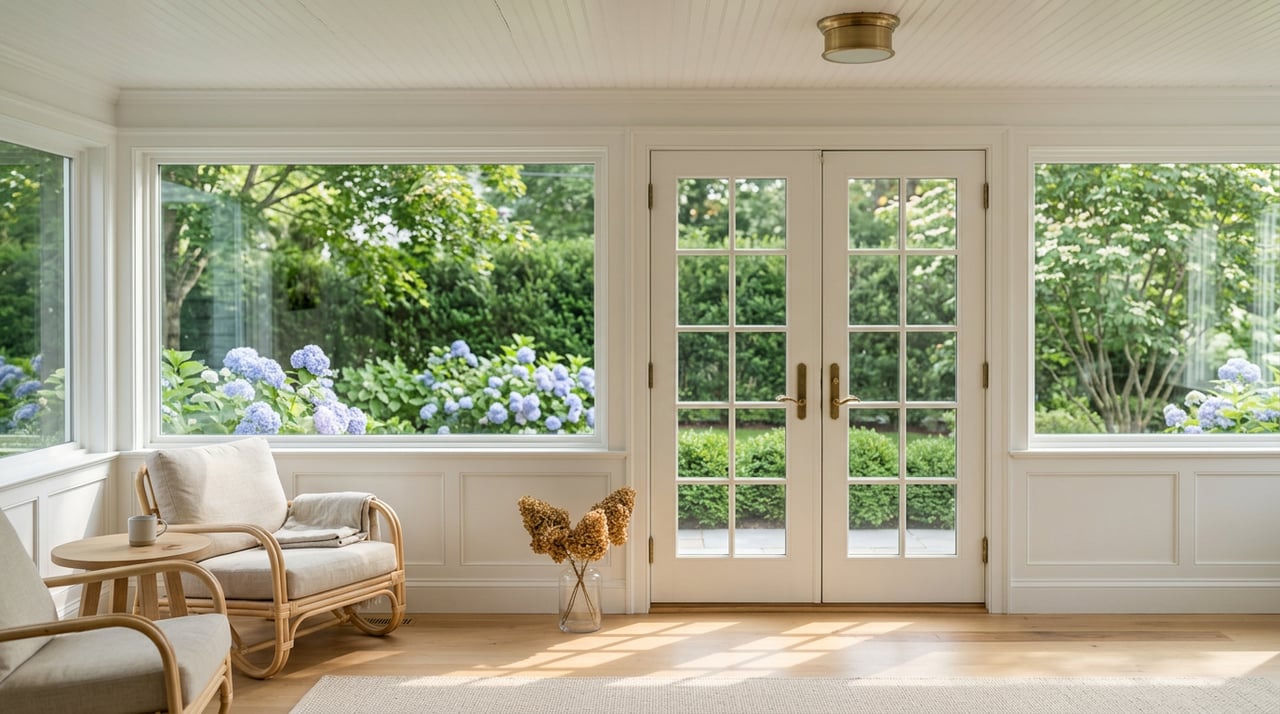


Real estate is more than a transaction—it’s an experience. Whether you’re buying a luxury waterfront home or selling a historic property in Newburyport, I provide high-touch service tailored to your unique needs. Every detail is handled with precision and care, so you can focus on what matters most.