Hampton NH Beach House Buying: Seasonal vs Year-Round
February 19, 2026
February 19, 2026
Picture yourself stepping onto the sand in five minutes flat. Now decide: do you want a carefree summer retreat or a home that anchors you at Hampton Beach all year? The right choice depends on how you plan to live, what you want to spend on upkeep and insurance, and how local rules apply to your property.
In this guide, you will learn the key tradeoffs between seasonal and year-round beach houses in Hampton, plus flood and rental rules, utilities and winterization, parking realities, and a practical buyer checklist. Let’s dive in.
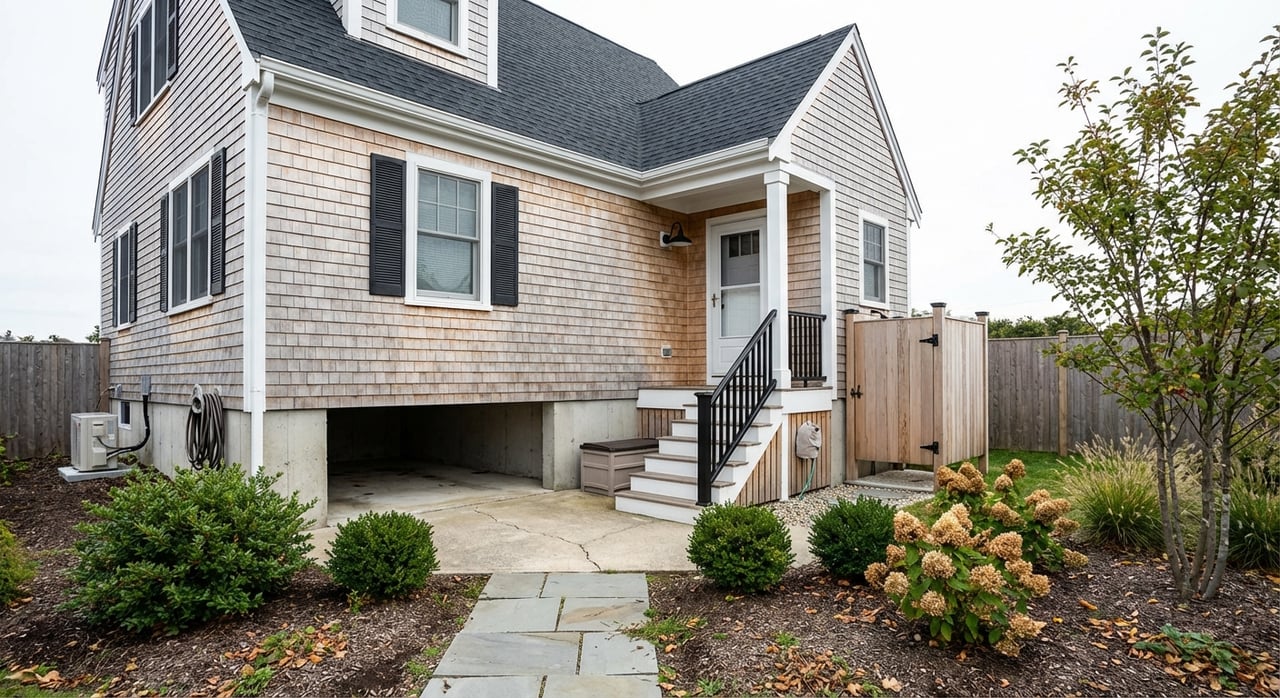
Hampton Beach has a mix of small cottages, low-rise multi-family buildings, oceanfront commercial uses, and newer elevated homes and condos shaped by long-standing beach planning and resilience efforts. You can see this pattern in the Hampton Beach Area Commission’s master-plan materials.
A seasonal beach house is typically closed and winterized for the cold months. Owners drain plumbing, secure the property, and either keep minimal heat or shut systems down completely. These homes are popular for summer stays when beach amenities are active and access can be walkable. You will budget for opening in spring and a quick fall close, plus routine salt-air maintenance.
A year-round home is built or upgraded for four-season living. Expect full insulation, reliable heating, and utilities that meet coastal construction standards. Many newer builds are elevated, with utilities and living areas above design flood levels. You avoid the winter close-up routine but carry continuous heating and maintenance costs.
Hampton’s shoreline sees periodic high-tide and nuisance flooding in low-lying areas. A local tide-gauge analysis shows repeated high-tide flooding events in Hampton Harbor, which is a reminder to verify a property’s flood zone and elevation before you buy. Review the regional context using the NH Coastal Adaptation Workgroup’s high-tide flooding summary.
Hampton enforces a floodplain management ordinance that adopts FEMA zones (A, AE, VE) and sets elevation and construction requirements, including coastal high-hazard rules. You can read the town’s standards in the floodplain ordinance. For any beach property, confirm the parcel’s FEMA map panel and zone using the FEMA Flood Map Service Center, and ask whether an Elevation Certificate exists. Lenders often require flood insurance in mapped high-risk zones.
If you plan to rent, start with Hampton’s Certificate of Rental Occupancy. The town requires an inspection and permit for units being rented. It also notes that units without a year-round rental certificate may be used year-round only by the owner of record. Learn more on the Town of Hampton’s Certificate of Occupancy page.
Sewer vs. septic is parcel-specific near the beach. Some homes connect to the municipal system while others use private septic. You can review the town’s wastewater context via the Wastewater Treatment Plant page and confirm a property’s connection status with town records or GIS.
Heating systems vary widely. Before you buy, confirm the primary fuel, the age and type of system, whether propane or oil tanks are owned or leased, and where utilities are located relative to flood risk.
If you choose a seasonal home, plan for a disciplined close-up. Common steps include:
You can reference a practical winterization checklist from an insurer’s resource like this home hibernation guide. Always match steps to your specific systems and local conditions.
Vacancy and unoccupancy provisions matter for seasonal homes. Many homeowners policies limit or exclude coverage for certain perils, including freeze-related pipe bursts, if a home is vacant beyond a set period. Ask your insurer whether your plan requires a vacancy endorsement or a separate second-home policy, and get confirmation in writing. For context on how insurers handle vacancy, see this overview of vacant home insurance considerations.
Flood insurance is separate from homeowners insurance. If your lender requires it or you want added protection, your premium will reflect the home’s elevation, foundation type, and flood zone. An Elevation Certificate can help refine a quote.
Hampton Beach runs on seasonal rhythms. Summer brings heavy visitation, events, and tighter parking. The Town operates municipal lots and metered parking with posted hours and seasonal rules. Review current details on Parking at Hampton Beach, and assume guest parking will be limited at peak times.
Beyond parking, expect seasonal congestion on approach roads and occasional impacts from road or bridge projects referenced in local planning materials. Year-round owners often enjoy quieter access in the shoulder and winter months.
Use this shortlist to compare a seasonal vs year-round fit and to streamline due diligence:
Ready to compare specific properties or tailor a plan to your timeline and budget? Connect with Cheryl Grant, ABR®, CRS for calm, design-savvy guidance and local expertise across the Southern Seacoast.
Stay up to date on the latest real estate trends.

Real estate is more than a transaction—it’s an experience. Whether you’re buying a luxury waterfront home or selling a historic property in Newburyport, I provide high-touch service tailored to your unique needs. Every detail is handled with precision and care, so you can focus on what matters most.