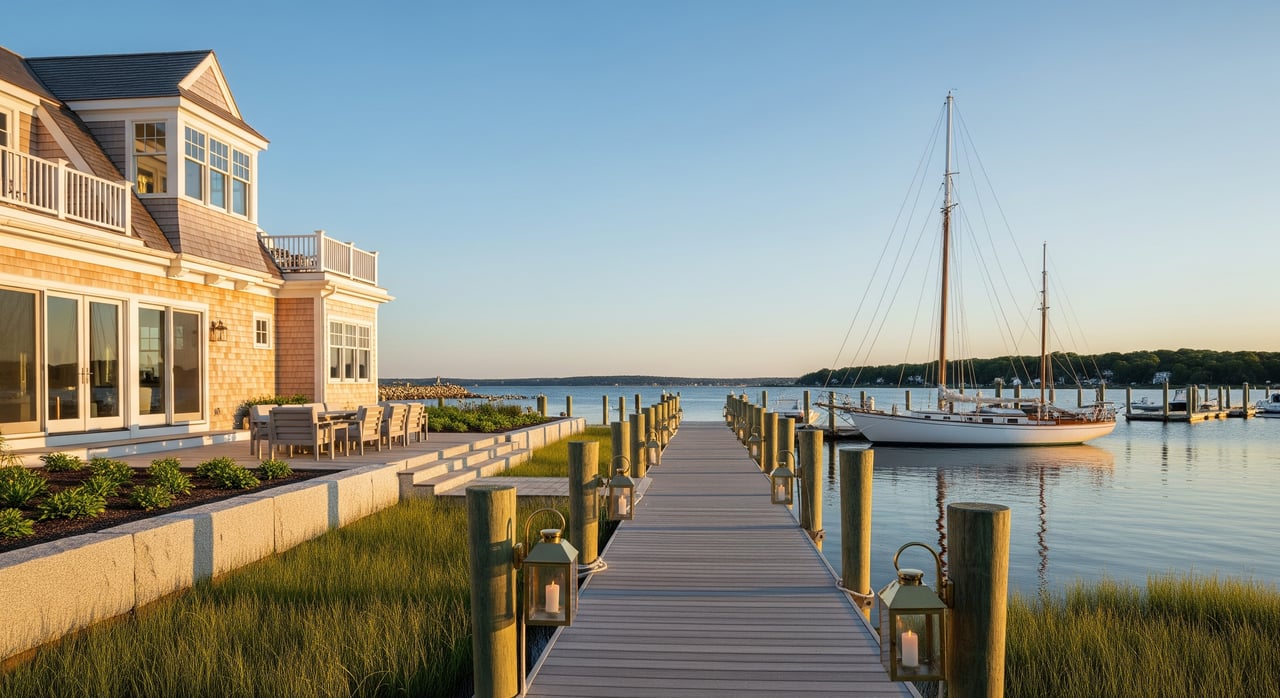
Newburyport Waterfront Homes Guide for Thoughtful Buyers
February 5, 2026
February 5, 2026
Dreaming of coffee on the deck while boats glide by, or quick weekends on Plum Island without giving up a Boston commute? If you are considering a Newburyport waterfront home, you are not alone. The choices are exciting, and the details matter. In this orientation, you will learn how the local waterfront works, what drives value, how boating access is handled, and what to verify before you tour. Let’s dive in.
Newburyport sits where the Merrimack River meets Plum Island Sound and Ipswich Bay. You will find a mix of riverfront single-family homes, harbor-front condos, marina-adjacent developments with slip programs, Plum Island cottages and condos, and homes that back to tidal salt marsh. Public gems include downtown boardwalks and parks, local marinas and boat launches, and easy access to the Parker River National Wildlife Refuge.
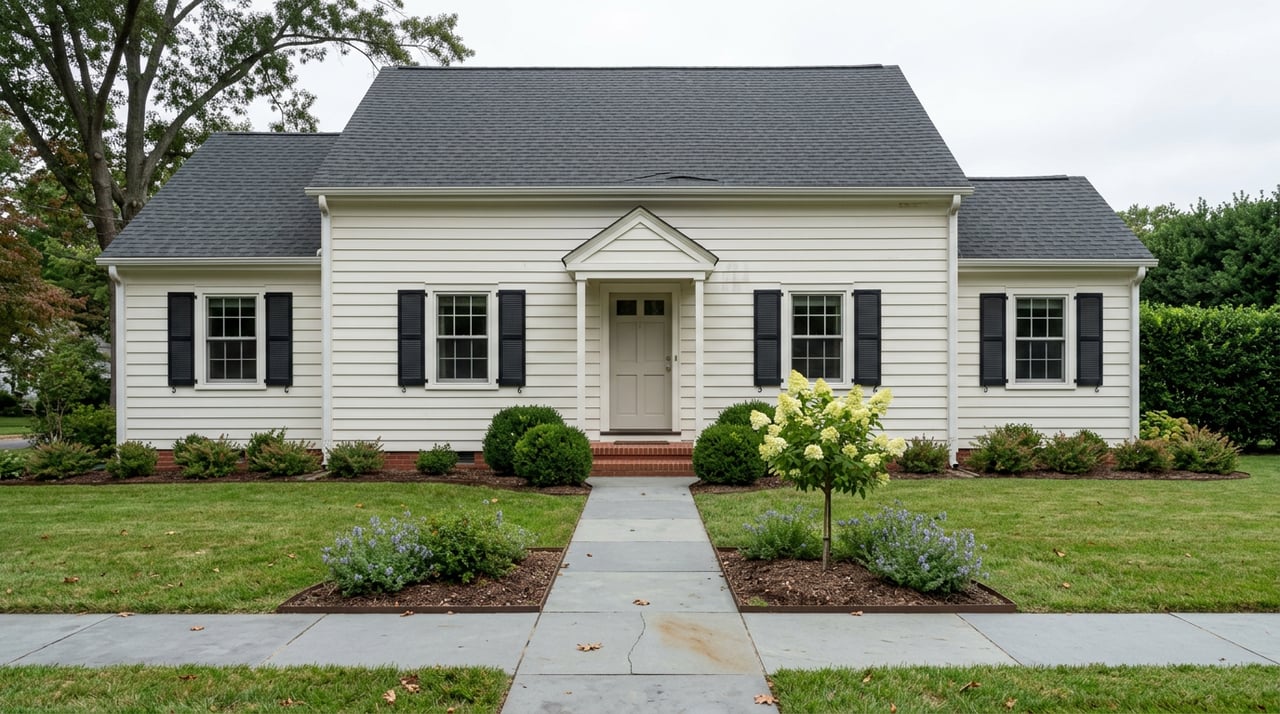
These homes often feature preserved facades with updated interiors. Expect hardwood floors, period details, compact lots, and terraced sea walls. You will be close to downtown amenities, but plan for potential historic commission approvals and seawall or bulkhead upkeep.
Newer builds or major remodels may include elevated foundations, engineered bulkheads, and private docks or stairs to the water. Outdoor living spaces are often expanded to capture views. Elevated utilities and impact-minded materials can lower risk and long-term costs.
Options range from mill or warehouse conversions to purpose-built buildings tied to a marina. You may see shared docks, slip assignment or rental programs, and association-managed services like winter storage coordination. HOA structures, fees, and marina rules vary by community.
These have a coastal, seasonal feel on a barrier island with higher exposure to storms. Some properties may have limited year-round access and distinct local rules. The setting is unique, and buyers should evaluate erosion and storm-readiness closely.
Water access comes in a few forms, each with different rules and costs. Town-managed moorings are limited, often with waitlists and seasonal fees that change over time. Marina slips can be privately managed or tied to a condo association with utilities, storage options, and specific policies. A private dock or pier may be subject to Massachusetts Chapter 91 tidelands rules and other permits. Public launch ramps and transient docks help if you do not have dedicated docking.
For current mooring policies and waitlists, contact the Newburyport Harbormaster’s office. Slip availability and rules are set by individual marinas and associations.
Many waterfront properties lie within FEMA Special Flood Hazard Areas. Lenders commonly require flood insurance in these zones. Check your specific property’s designation using the FEMA Flood Map Service Center, and ask for any available elevation certificate and Base Flood Elevation data. Private flood insurance may be an option for some homes, so it is smart to get quotes early.
Any work on or seaward of mean high water usually requires review by local and state authorities. In Massachusetts, shoreline structures and tidelands uses often involve local Conservation Commission approvals and Chapter 91 considerations. For statewide coastal guidance, see the Massachusetts Office of Coastal Zone Management. For environmental permitting and coastal work oversight, consult the Massachusetts Department of Environmental Protection. Long term, agencies project continued sea-level rise and more frequent high-tide and storm flooding. Explore scenarios with the NOAA Sea Level Rise Viewer.
Salt air and tides add maintenance considerations. Expect accelerated wear on exterior metals, HVAC equipment, and coastal finishes. Sea walls, bulkheads, and dock systems need periodic inspection, repair, and sometimes permitted replacement.
Living here means quick access to boating, fishing, and birding. The Parker River National Wildlife Refuge offers protected habitat and scenic coastline to explore. Many harbor-area homes enjoy strong walkability to dining, shops, and seasonal events. If you commute, Newburyport is served by the MBTA commuter rail to Boston; check the Newburyport Line schedule for current service.
There are tradeoffs to plan for. Storm preparation and winterizing docks and boats are part of the routine. Summer can bring heavier traffic and increased activity near marinas and restaurants. Historic districts may limit exterior changes, and downtown parking rules can affect daily logistics.
Waterfront homes attract motivated buyers, yet the pool is specialized. Direct frontage and deeded docking rights improve liquidity and can support stronger resale. Clear documentation of flood mitigation, elevation, and permitted shoreline work builds buyer confidence. Historic designation can help protect value while also guiding what changes are allowed.
If you want a guided path to the right Newburyport waterfront home, connect with a local expert who understands moorings, permits, and the nuances that drive value. For attentive, design-savvy representation, reach out to Cheryl Grant, ABR®, CRS.
Stay up to date on the latest real estate trends.


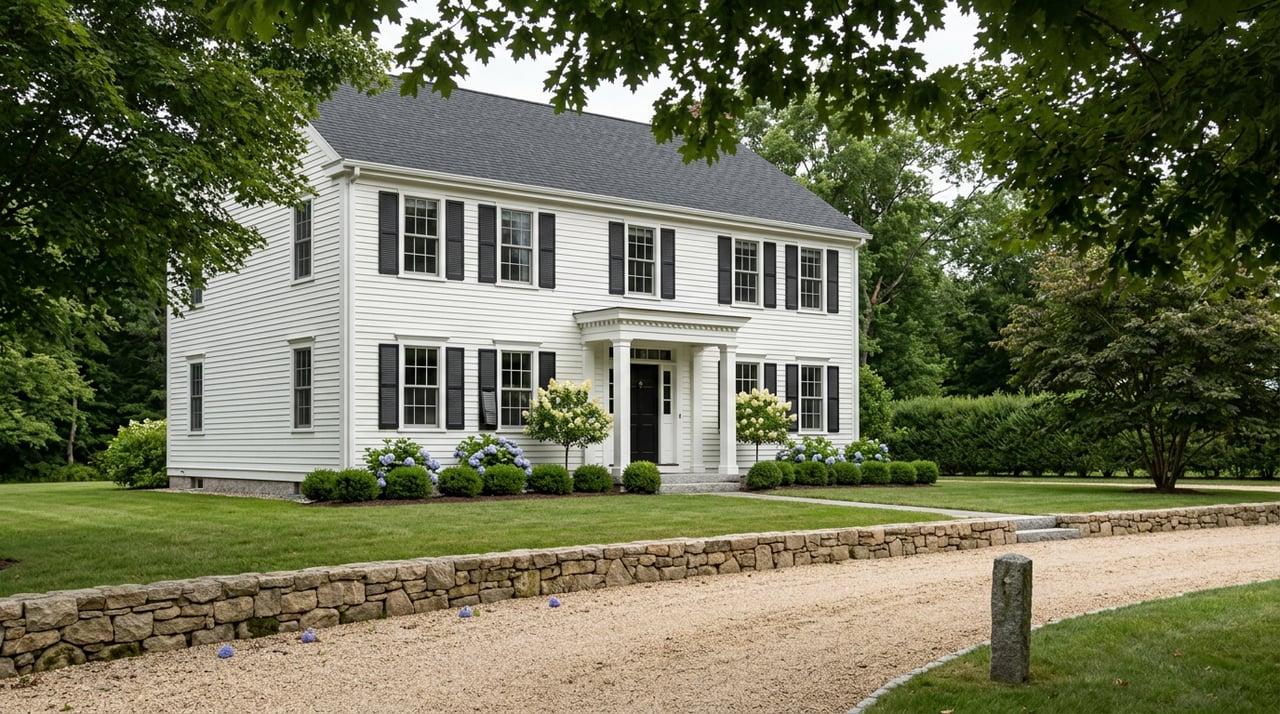





Real estate is more than a transaction—it’s an experience. Whether you’re buying a luxury waterfront home or selling a historic property in Newburyport, I provide high-touch service tailored to your unique needs. Every detail is handled with precision and care, so you can focus on what matters most.