Salisbury Home Styles: Colonial, Cape, And More
December 18, 2025
December 18, 2025
Curious why some Salisbury homes feel timeless while others lean breezy and modern? On the North Shore, architecture reflects centuries of coastal life, from Colonial-era centers to shingled cottages and new builds designed for salt air. If you are buying or selling, understanding each style helps you spot value, plan updates, and present a home the right way. This guide breaks down the most common Salisbury and Essex home styles, what buyers love, and simple staging moves that elevate your listing. Let’s dive in.
Salisbury and nearby Essex grew from Colonial settlements into maritime hubs, then beach communities with seasonal cottages. You will find preserved 18th and 19th century houses, turn-of-the-century Victorians and Shingle Style, midcentury ranches, and contemporary construction. Many homes have been adapted for coastal use with porches, shingles, and practical floor plans.
Coastal conditions shape materials and maintenance. Expect cedar shingles, painted clapboard, composite decking, and attention to roofing and exterior paint. Elevated foundations and porches are common in shoreline areas, and floodplain designations can influence valuation and insurance.
Local review boards and conservation rules guide exterior changes in historic districts and near waterways. If you plan visible updates before listing, understand that permits and timing may affect your marketing schedule.
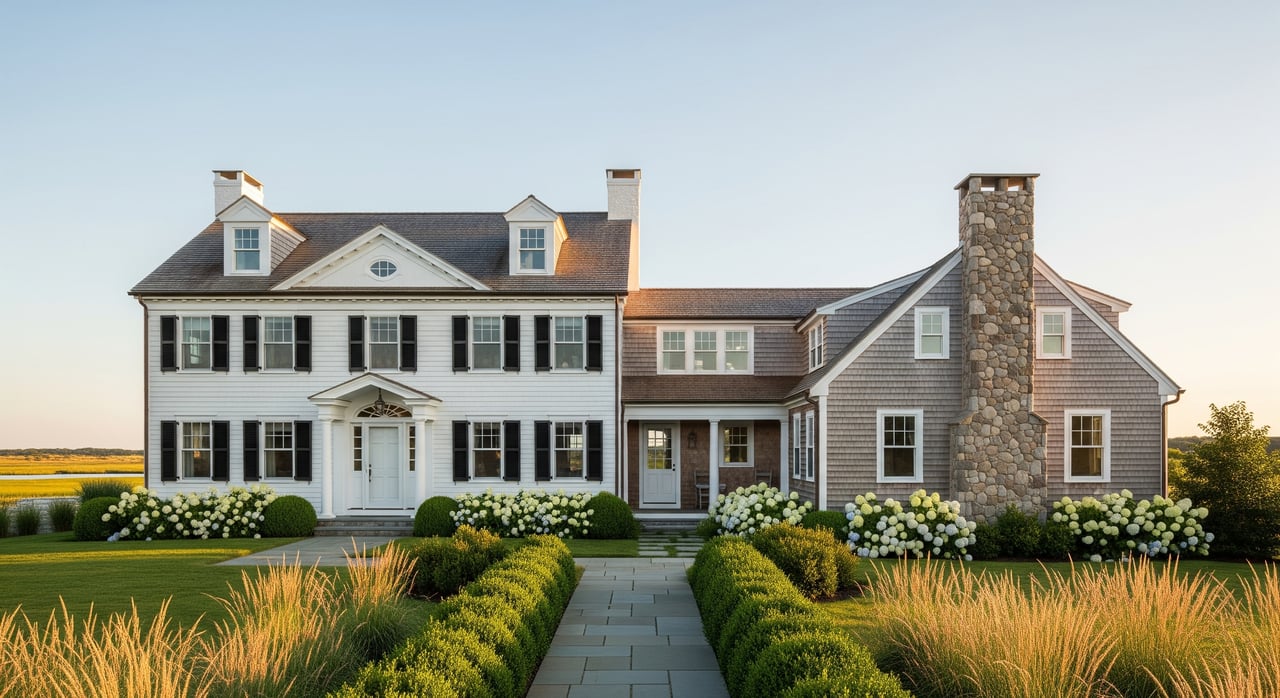
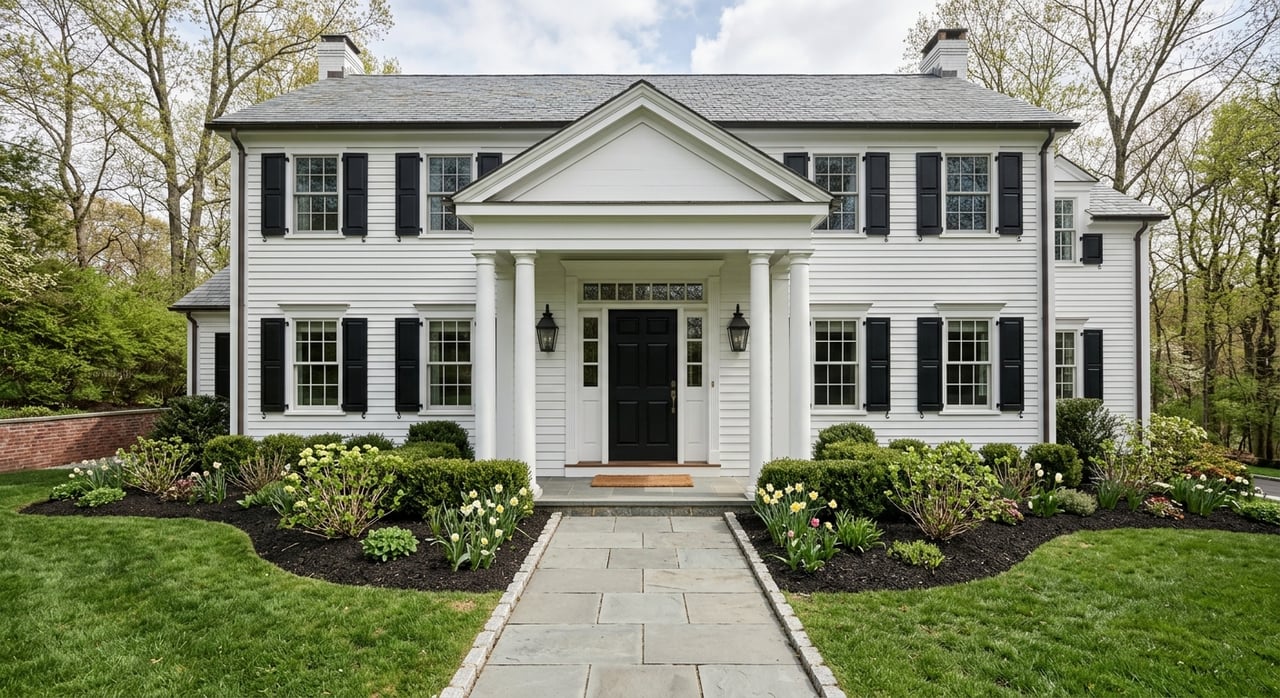
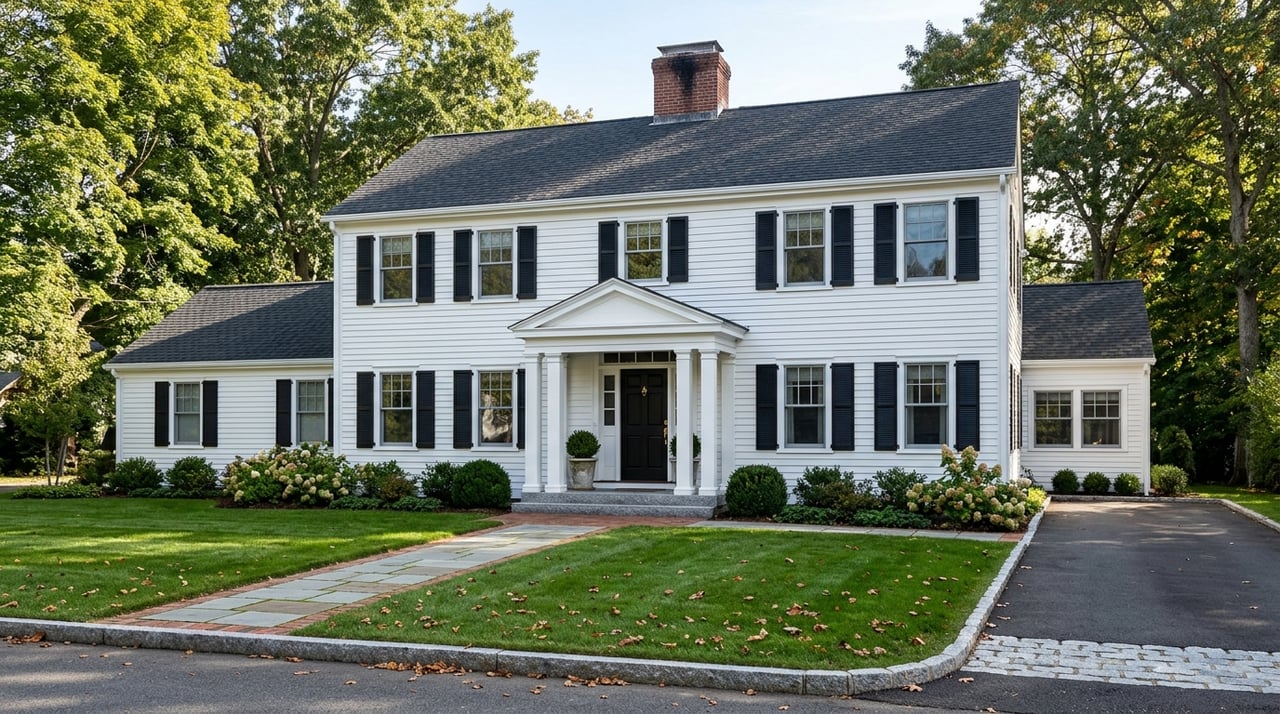
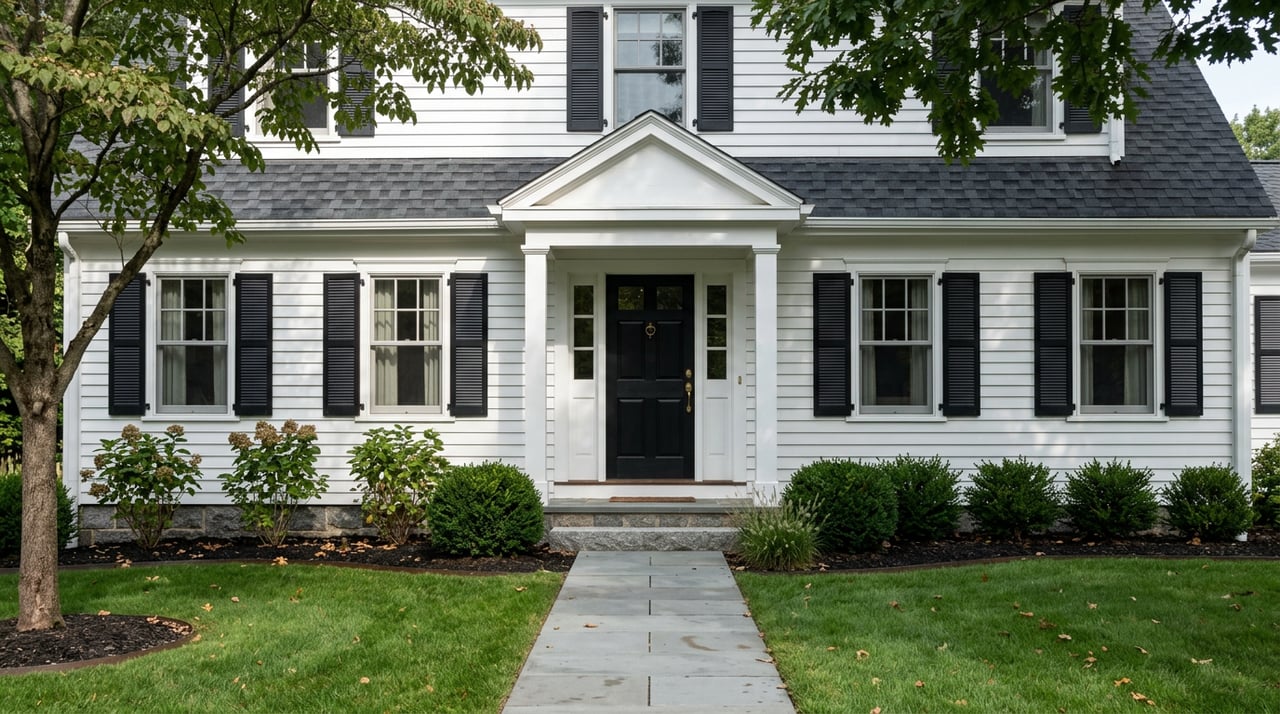
Colonial houses, including Georgian and Federal variants, often show a symmetrical façade, a centered entry with simple trim, multi-pane windows, and a gabled roof. Early examples may feature a central chimney and wide-plank floors. Colonial Revival versions, common in the 20th century, echo the look with more modern layouts.
Buyers are drawn to the classic curb appeal and clear room definition that suit daily life and entertaining. There is a sense of permanence in the symmetry and traditional profiles. Interiors with preserved mantels, stair details, and original floors stand out when paired with updated kitchens and baths.
Capes are 1 to 1½ stories with steep gables, a compact footprint, and low eaves. Older versions may have a central chimney, while later capes often include rear ells or dormers that add usable second-floor space.
Capes feel cozy, adaptable, and efficient. Many buyers value the ability to add dormers or finish space over time, along with the unmistakable New England character, especially with shingle cladding near the shore.
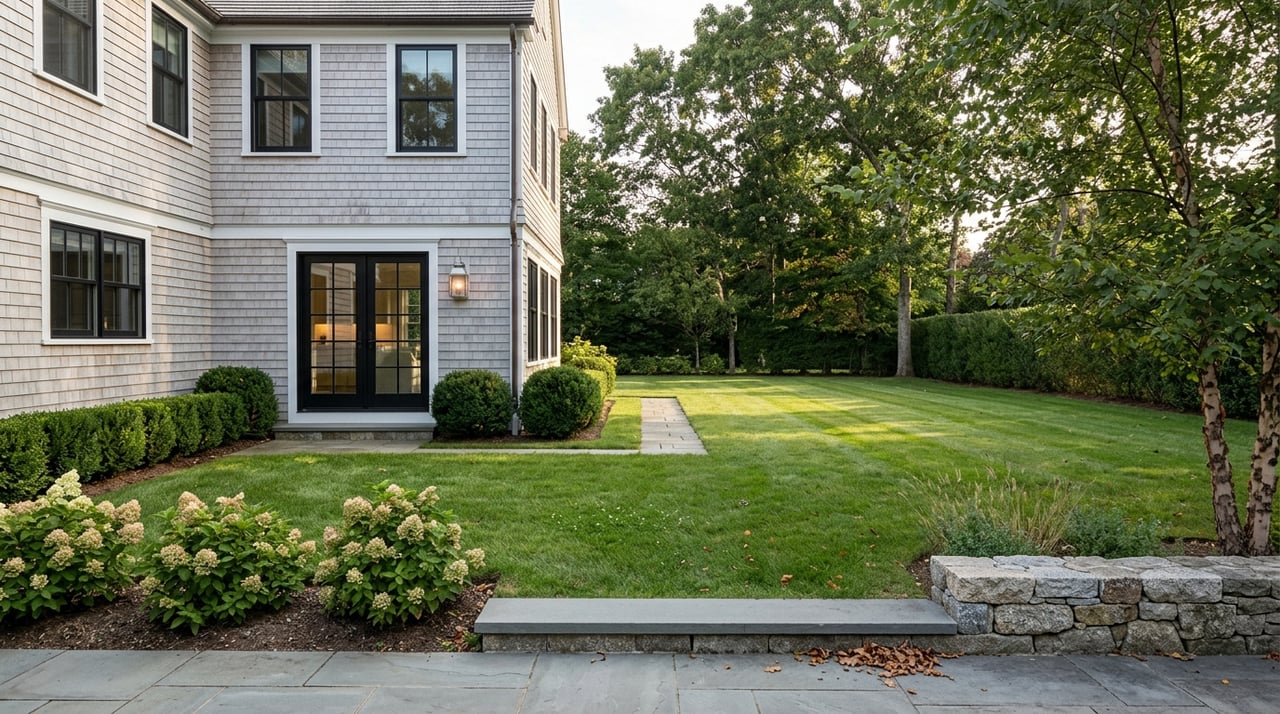
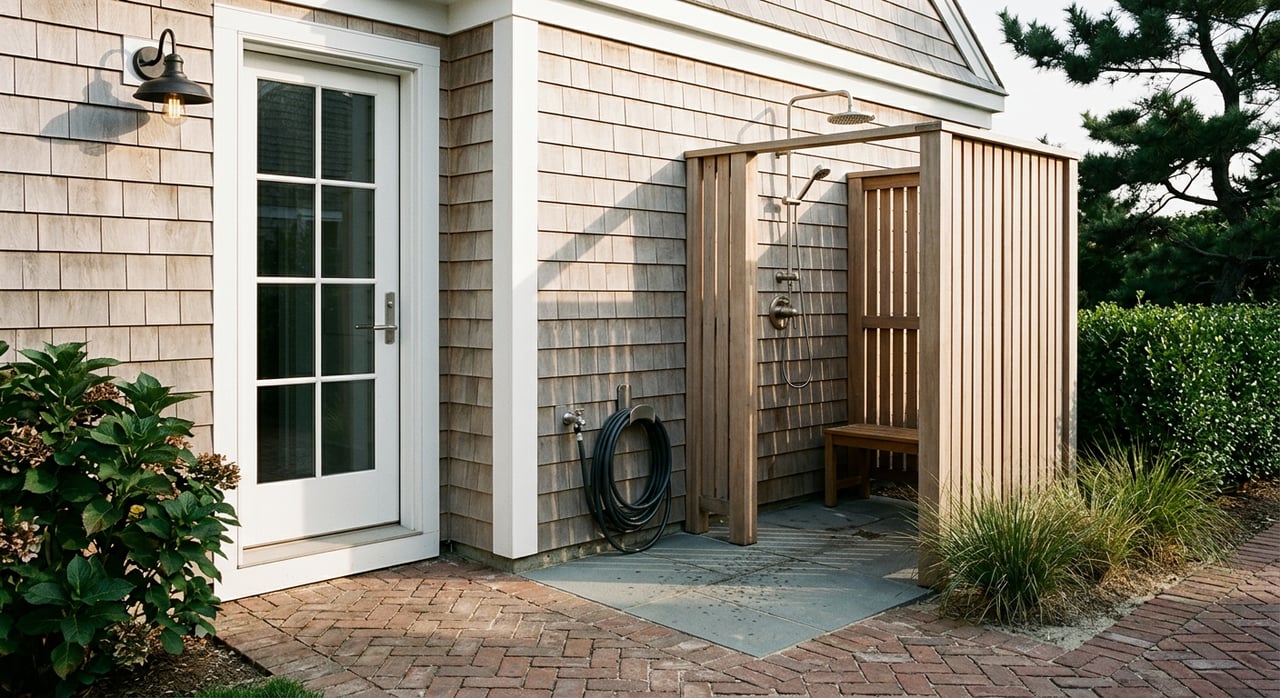
Shingle Style homes favor asymmetry, complex roofs, and continuous shingle cladding that wraps corners. Expect generous porches, groupings of windows oriented to views, and relaxed, open gathering spaces.
These homes deliver the quintessential coastal lifestyle. Porches, breezes, and informal rooms feel made for the North Shore. When period elements and views converge, these properties command strong attention.
Victorian houses, including Queen Anne, Gothic Revival, and Italianate influences, show bay windows, varied rooflines, decorative trim, and sometimes turrets or brackets. They are more common in town centers and historic neighborhoods.
Detail lovers gravitate to the craftsmanship. Distinct rooms can flex as a library, parlor, or office, and intricate millwork becomes a focal point when paired with modern systems.
Ranches and split-levels from the 1940s to 1970s offer one-level or semi-open plans, larger windows, and attached garages. Many have been updated over time with modern kitchens and baths.
Single-level living is a major draw, especially for downsizers or anyone seeking easy flow to the yard. With a few cosmetic updates, these homes deliver openness and everyday convenience.
Newer homes on the coast may blend clean lines with board-and-batten accents, oversized windows, and metal roofs. Expect open plans, modern finishes, and materials chosen for low maintenance.
Move-in readiness, energy efficiency, and flexible living areas are top priorities. Elevated foundations on waterfront lots can add peace of mind and view potential.
Salt air and storms are part of North Shore life. Regular exterior paint, roof review, and attention to porch and deck hardware prevent small issues from escalating. Cedar shingles and clapboard age beautifully when maintained, and composite trims or decking reduce upkeep.
For properties in mapped flood zones, elevation certificates and clear insurance documentation help buyers plan. If your home is elevated or has flood-resilient features, present them as practical benefits while keeping the focus on lifestyle and function.
Energy efficiency adds value. New windows, added insulation, storm-rated doors, LED lighting, and smart thermostats are small upgrades that communicate care and reduce operating costs.
Every Salisbury and Essex home style can shine when you highlight its character and meet coastal expectations. Whether you are staging a shingled cottage, polishing a Colonial, or presenting a modern build, a thoughtful plan will help you earn attention and strong offers. If you want design-forward guidance and hyperlocal market strategy, connect with Cheryl Grant, ABR®, CRS for a conversation about timelines, pricing, and presentation.
Stay up to date on the latest real estate trends.
Real estate is more than a transaction—it’s an experience. Whether you’re buying a luxury waterfront home or selling a historic property in Newburyport, I provide high-touch service tailored to your unique needs. Every detail is handled with precision and care, so you can focus on what matters most.